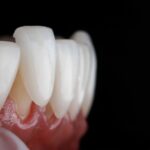
Scaling vs deep cleaning comes down to depth and purpose. Routine scaling removes tartar from the tooth surfaces above and just below the gumline to keep healthy gums healthy. Deep cleaning, also called root surface debridement or root planing, cleans the roots inside gum pockets to treat periodontitis, usually under local anaesthetic and over more than one visit.
Key Takeaways
- Scaling is preventive and suits healthy gums or mild gingivitis; deep cleaning is a treatment for periodontitis.
- The deciding factor is pocket depth and bone loss, measured with a gum probe and X-rays.
- Deep cleaning is usually done section by section with local anaesthetic, while routine scaling rarely needs it.
- After deep cleaning, the gums are re-measured several weeks later to check healing.
- People treated with deep cleaning usually need more frequent maintenance cleans afterwards.
Scaling and deep cleaning in brief
Both treatments remove plaque and tartar, but they work at different levels and for different reasons. Think of routine scaling as maintenance for gums that are healthy or only mildly inflamed. Deep cleaning is a treatment for gum disease that has already caused the gum to detach from the tooth and formed a pocket.
The names used for deep cleaning vary. You may hear root planing, root surface debridement, subgingival instrumentation or non-surgical periodontal therapy. These describe much the same thing: careful cleaning of the root surfaces below the gumline, where a toothbrush and a routine clean cannot reach.
Modern deep cleaning aims to remove bacteria and tartar while preserving as much of the root surface as possible, rather than scraping roots smooth as was once taught. This is why many dentists now prefer the term debridement to planing.
Scaling vs deep cleaning: side-by-side comparison
| Feature | Routine scaling and polishing | Deep cleaning (root surface debridement) |
|---|---|---|
| Main purpose | Prevention and treatment of gingivitis | Treatment of periodontitis |
| Area cleaned | Crowns and just below the gumline | Root surfaces inside gum pockets |
| Typical gum findings | Shallow spaces, possible bleeding | Pockets around 4mm or deeper, bone loss on X-ray |
| Anaesthetic | Rarely needed | Usually local anaesthetic |
| Number of visits | Usually one | Often two or more, plus a review |
| Follow-up | Next routine clean, often 6 to 12 months | Re-measurement after several weeks, then maintenance every 3 to 4 months |
The fee also differs because deep cleaning takes longer and involves more visits. Our article on scaling and polishing cost in Malaysia explains the factors that affect the price of each.
How do dentists decide which one you need?
The decision is based on measurements, not on how your teeth look or how much tartar is visible. Some people with a lot of visible tartar have healthy bone levels, while others with clean-looking teeth have deep pockets.
Gum pocket measurements
The dentist slides a thin, blunt probe with millimetre markings between each tooth and the gum. In health, this space is shallow, usually up to about 3mm, and does not bleed. Readings of 4mm or more, especially with bleeding, suggest a periodontal pocket where bacteria are sheltered from normal cleaning.
X-rays
X-rays show the level of bone around the roots. Bone loss confirms periodontitis and helps the dentist judge how advanced it is.
Other signs
Gum recession, loose teeth, pus and a history of smoking or diabetes are also considered. Our guide to gum disease signs and treatment covers these in more detail.
What happens during routine scaling?
A routine clean is usually done in a single appointment without anaesthetic. It is often combined with a check-up.
- The dentist checks the teeth and gums.
- An ultrasonic scaler breaks up tartar using vibration and a water spray.
- Hand instruments remove any remaining deposits.
- The teeth are polished to remove surface stains and smooth the enamel.
- You receive advice on brushing and cleaning between the teeth.
Many patients feel vibration, water and some scraping. Mild sensitivity can follow for a day or two. You can learn more on our scaling and polishing service page.
What happens during deep cleaning?
Deep cleaning is more involved because the instruments must reach the full depth of each pocket.
- Preparation: the dentist records pocket depths and explains which areas need treatment.
- Local anaesthetic: the section being treated is numbed so that cleaning below the gum is comfortable.
- Cleaning the roots: ultrasonic and hand instruments remove tartar and bacterial deposits from the root surfaces inside the pockets.
- Section by section: the mouth is often treated in two or more sections, either over separate visits or in longer sessions.
- Home care coaching: you are shown how to clean the treated areas, often with interdental brushes.
- Re-evaluation: pockets are measured again several weeks later, often around two to three months, to see how the gums have responded.
If some pockets stay deep after re-evaluation, the dentist may repeat cleaning in those sites or discuss gum surgery. Deep cleaning is not a single fix; the result depends heavily on daily cleaning and on stopping smoking.
Aftercare and recovery for each
Recovery after routine scaling is usually quick. Most people return to normal straight away, with perhaps a little sensitivity or gum tenderness for a day or two.
After deep cleaning, expect the treated area to feel numb for a few hours. Once the anaesthetic wears off, the gums can be sore for a few days, and the teeth may be sensitive to cold. As swelling settles over the following weeks, the gums often tighten and shrink slightly, so teeth can look longer and small gaps may appear between them.
- Use a soft toothbrush and keep cleaning the treated areas gently, even if they bleed at first.
- Take pain relief as your dentist advises.
- Use a desensitising toothpaste if cold triggers sensitivity.
- Avoid smoking, which slows healing and reduces the benefit of treatment.
- Keep the re-evaluation and maintenance appointments.
Concerns about scaling damaging teeth or causing permanent gaps are common. Our article on dental scaling myths and facts addresses them.
What happens at a consultation?
See a dentist if your gums bleed regularly, feel swollen, have pulled back from your teeth, or if a tooth feels loose. These signs can point to gum disease that a routine clean alone may not resolve.
At the consultation, the dentist reviews your medical history, examines your gums, records pocket depths and may take X-rays. You will be told whether a standard scale and polish is suitable, or whether deep cleaning is recommended, along with how many visits are expected and what the fees cover.
Book a Consultation at Urban Dental
Scaling and polishing, root debridement, and gum and periodontal care are offered at Urban Dental, and the team includes a dentist with periodontology training. Whether you need routine scaling or deep cleaning depends on a clinical assessment, and a treatment may not be suitable for everyone.
Visit us at Lot L1-17 & L1-18, First Floor, DC Mall (Damansara City Mall), 6 Jalan Damanlela, Bukit Damansara, 50490 Kuala Lumpur. Call 03-2080 0887 or WhatsApp 012-994 1668, or book a gum assessment at our DC Mall clinic.
Frequently Asked Questions
Is deep cleaning the same as scaling?
No. Scaling cleans the tooth surfaces above and just below the gumline and is mainly preventive. Deep cleaning, or root surface debridement, cleans the root surfaces inside gum pockets to treat periodontitis. It usually needs local anaesthetic, takes more than one visit and is followed by a review of the gums several weeks later.
How do I know if I need a deep cleaning?
You cannot tell reliably from symptoms alone. A dentist measures the space between each tooth and gum with a fine probe and checks X-rays for bone loss. Pockets of around 4mm or more, with bleeding or bone loss, usually mean deep cleaning is needed. Bleeding gums, recession and loose teeth are warning signs worth checking.
Does deep cleaning hurt?
Deep cleaning is normally done under local anaesthetic, so you should feel pressure and vibration rather than pain during treatment. Afterwards, the gums may be sore and the teeth sensitive for a few days. This usually settles with gentle cleaning, pain relief as advised and a desensitising toothpaste.
How many visits does deep cleaning take?
It varies with how many teeth are affected and how deep the pockets are. Many people are treated over two visits, while others need more, and some clinics complete treatment in longer sessions. A review appointment follows several weeks later, and maintenance cleans are then usually advised every three to four months.
Can deep cleaning save loose teeth?
Deep cleaning can stop or slow periodontitis, and as inflammation settles, slightly loose teeth sometimes become firmer. It cannot replace bone that has already been lost. Teeth with severe bone loss may still need further treatment or removal. Early treatment gives the greatest chance of keeping teeth in the long term.
This article is general information and does not replace a dental examination. Speak to a dentist about your own situation.